Call us: 01423 369730

Email us: sales@johnchamberswildflowers.co.uk

Home / Products / Wildflower Plug Plants / Acid Soils Wildflower Plug Plants Mix

Acid Soils Wildflower Plug Plants Mix

A specialist wildflower plug plant mix for acidic soils. Ideal for heathlands, woodland edges, BNG schemes, and ecological enhancement projects.

The Acid Soils Wildflower Plug Plants Mix has been specifically developed for acidic, sandy, and peaty soils, where conventional wildflower seed mixes often struggle to establish. This mix is ideal for ecological restoration projects, Biodiversity Net Gain (BNG) schemes, woodland edges, heathlands, parks, roadside verges, and private estates.

Supplied as established plug plants, this mix offers reliable establishment, faster coverage, and improved survival rates on nutrient-poor and acidic ground. Carefully selected wildflower species provide a long flowering season while supporting bees, butterflies, hoverflies, and other beneficial insects.

This mix delivers long-term ecological value with low maintenance requirements, making it suitable for both urban and rural landscapes.

  • Site Preparation: Remove existing vegetation and prepare a clean, weed-free planting area. Light cultivation may benefit compacted or poor soils.
  • Planting Time: Plant in spring or autumn when soil moisture levels are reliable.
  • Planting Density: Space plugs approximately 20–30cm apart, depending on desired coverage and species spread.
  • Watering: Water thoroughly after planting and during dry periods until established.
  • Establishment: Plug plants establish quickly, forming strong root systems and producing early flowering.
  • Management: Cut back vegetation in late autumn or early spring. Remove arisings to maintain low soil fertility and encourage continued flowering.

Colours

Height Up to 80cm
Usage Acid grassland creation, heathland restoration, BNG schemes, woodland margins, parks
Establishment Method Plug plants for reliable establishment
Flowering Period June – September

Core species, colours and flowering period

A minimum of 10 species will be chosen from the following list, and used in equal quantities:

Achillea millefolium Yarrow
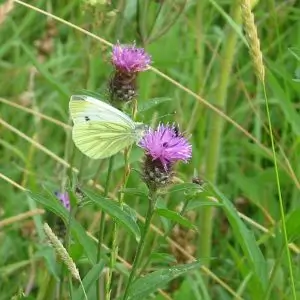
Centaurea nigra Common Knapweed
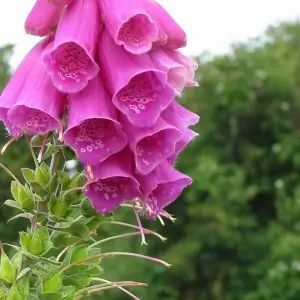
Digitalis purpurea Wild Foxglove
Galium verum Lady’s Bedstraw
Hypochaeris radicata Common Catsear
Leontodon autumnalis Autumn Hawkbit
Leucanthemum vulgare Oxeye Daisy
Lotus corniculatus Birdsfoot Trefoil
Lychnis flos-cuculi Ragged Robin
Plantago lanceolata Ribwort Plantain
Potentilla erecta Common Tormentil
Primula veris Cowslip
Ranunculus acris Meadow Buttercup
Rhinanthus minor Yellow Rattle
Rumex acetosa Common Sorrel
Rumex acetosella Sheep’s Sorrel
Stachys officinalis Betony
Succisa pratensis Devilsbit Scabious
Teucrium scorodonia Wood Sage
Vicia cracca Tufted Vetch
Location overview Best suited to open, sunny locations on acidic soils. Performs well in woodland margins, heathlands, and open parkland settings.
Shade tolerance Prefers full sun. Light partial shade tolerated, though flowering may be reduced.
Soil type Acidic, sandy, peaty, and nutrient-poor soils.
Soil fertility Low fertility preferred. Avoid fertilisers to maintain species diversity and flowering.
Moisture Well-drained soils preferred. Tolerates moderate moisture levels once established.

What we do

Related Products

Grass Seed Mix Calculator

Total Required: 0 grams

*The figures provided by the calculator are a guide only, we advise contacting one of our specification team to discuss your project requirements in full.

Wildflower Seed Calculator

Total Required: 0 grams

*The figures provided by the calculator are a guide only, we advise contacting one of our specification team to discuss your project requirements in full.

Wildflower Seed Calculator

Total Required: 0 grams

*The figures provided by the calculator are a guide only, we advise contacting one of our specification team to discuss your project requirements in full.